
Beauty-from-Within Ingredients for Nutricosmetic Products
beauty-from-within and nutricosmetic products is best approached as a product-development system rather than a list of fashionable ingredients. Nutricosmetics must connect an appealing beauty story to ingestible-format evidence, sensory quality and compliant claims. The commercial objective is to create a concept that can be manufactured consistently, explained clearly and used repeatedly by the target consumer.
A practical development brief should select one primary beauty territory—skin hydration, healthy ageing, hair or nails—and build a coherent ingredient and format system. The team should agree measurable acceptance criteria early, including evidence-matched dose, serving compliance, flavour, colour, stability and claim substantiation. This prevents a technically attractive prototype from moving forward without a realistic route to scale.
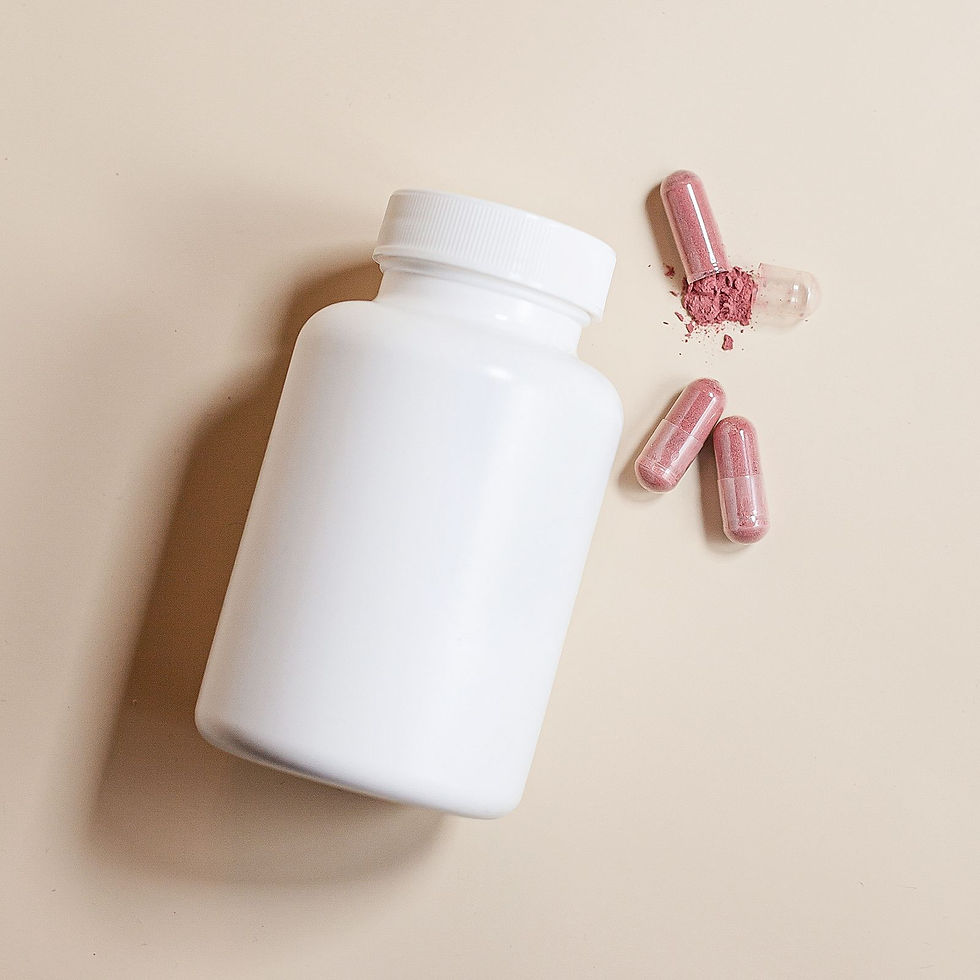
Herbify ingredient guide: Beauty-from-Within Ingredients for Nutricosmetic Products.
Development priorities
Distinguish structural nutrients from botanical supporting ingredients.
Choose botanical markers and doses that can be delivered in the selected format.
Consider polyphenol astringency, mushroom mouthfeel and pigment stability.
Avoid transferring topical cosmetic claims directly to ingestible products.
Formulation and format choices
Format changes what is technically and commercially possible. The same botanical system may behave very differently in a capsule, gummy, powder or ready-to-drink product. Prototype with commercial-grade ingredients and the intended processing conditions as early as possible.
Powder drinks provide a daily ritual and room for multiple ingredients.
Gummies offer convenience but limit loading and may conflict with sugar-conscious positioning.
Capsules suit concentrated botanicals but create less sensory differentiation.
Quality, evidence and supplier documentation
Supplier qualification and raw-material specifications remain part of formulation. Beauty language can imply therapeutic outcomes. Final claims need review against the product’s classification and evidence. Agree identity, marker, carrier, contaminant and physical-property requirements before purchase orders are placed.
From sample to commercial batch
Move this beauty-from-within ingredients for nutricosmetic products concept from bench sample to pilot scale with a written development brief and version control. Record exact ingredient grades, lot numbers, processing sequence, temperatures, hold times and final packaging. Recheck the attributes most likely to change during scale-up: dose uniformity, sensory profile, physical stability, marker retention and manufacturability. A change that appears minor—supplier, carrier, particle size, flavour system or pack barrier—can alter performance enough to require another stability, quality or sensory checkpoint.
Run a control prototype and change only one major variable at a time.
Evaluate the product at its intended serving size and preparation method.
Include operations, quality and regulatory reviewers before the formula is commercially locked.
Set go/no-go criteria for taste, stability, cost and documentation before pilot manufacture.
Questions to put to the supplier
What is the maximum technically and sensorially acceptable use level in this format?
Which raw-material attributes have the greatest effect on manufacturing performance?
What tests will release each batch and what tests belong in the shelf-life program?
Which changes require the formula, label, evidence or claims to be reviewed again?
Australian market and compliance
In Australia, the finished product—not the ingredient in isolation—determines the applicable pathway. Food businesses should check ingredient permissions and Standard 1.2.7 before making nutrition or health claims. Products presented for therapeutic use may fall under TGA requirements. Classification, claims, dose and intended population should be reviewed before launch.
Practical buyer checklist
Confirm the exact ingredient identity, plant or fungal part, processing method and intended end use.
Approve the specification and test methods before comparing commercial quotations.
Prototype at the intended use level in the real finished-product matrix.
Review claims, classification, warnings and target population before artwork or advertising is finalised.
Retain a reference sample and establish change-control expectations for ongoing supply.
Herbify supports Australian and New Zealand manufacturers with ingredient sourcing, specification comparison, samples and technical coordination. Discuss your ingredient brief with Herbify to identify a commercially realistic grade for your application.


Comments