
Berberine HCl vs Herbal Extract: A Specification Guide for Buyers
A berberine enquiry needs more precision than a plant name or headline assay. Berberine hydrochloride, a berberine-rich botanical extract and a whole-herb extract differ in identity, composition and regulatory treatment. This guide helps Australian and New Zealand manufacturers compare material, method and finished-product brief before sampling.

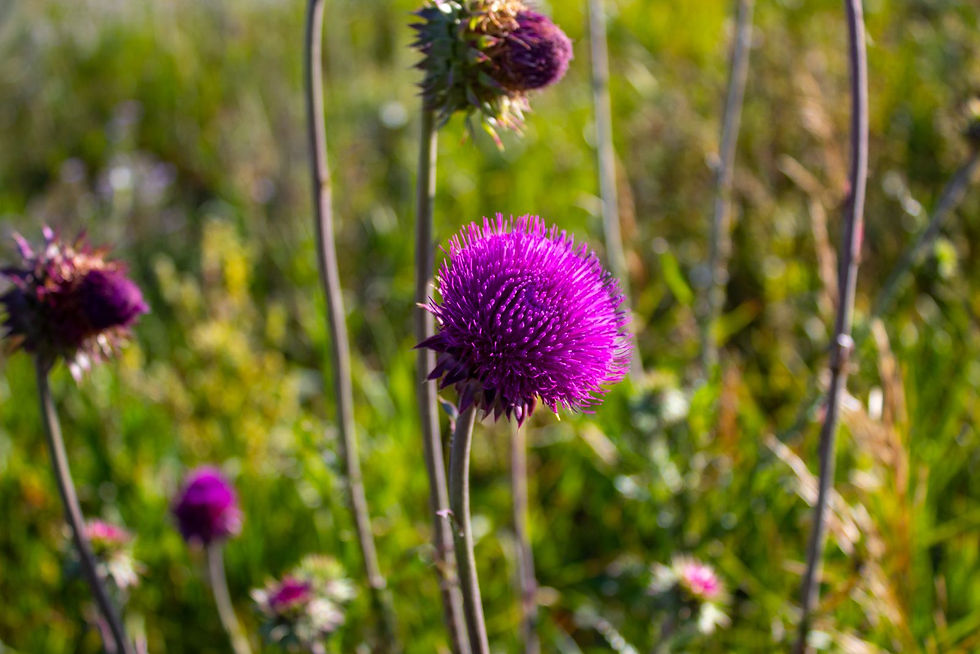
Berberis vulgaris flowers, botanical source reference rather than extract powder. Photograph: Nicolas Weghaupt; CC0 1.0. Botanical reference only, not a batch or finished-product image.
Define chemical identity and botanical source separately
For berberine hydrochloride, confirm the declared chemical name, salt form and any hydrate form with the corresponding identification and assay method. For a botanical extract, request the plant species, plant part, extraction process and composition. A root or bark name alone does not establish the identity of a purified alkaloid.
Rainbow’s manufacturer reference describes berberine HCl and names Berberis and Coptis as possible botanical sources. The source for a purchase must be declared and tied to the batch. A Berberis vulgaris photograph illustrates one botanical reference; it does not identify the source of every berberine product.
Compare assay results on the same basis
Before comparing quoted purities, ask whether the assay is reported as-is, dry basis or another defined basis, and whether water or residual solvent affects that calculation. Confirm the analyte, laboratory method, reference standard and limits. An HPLC assay for berberine is not automatically equivalent to a broader total-alkaloid measurement.
Review related alkaloids or impurities, moisture, residual solvents and project-specific contaminants. A high assay number cannot replace identity or quality information. The purchase specification should state which results appear on each batch COA and what supporting methods are required.
Identity: declared ingredient, salt or hydrate form and botanical source where applicable.
Assay: analyte, method and reporting basis.
Quality: related substances, residual solvents, moisture and relevant contaminants.
Traceability: batch number, specification revision, manufacturing source and change control.
Evaluate the sample in the intended formulation
For capsule and tablet projects, test particle size, flow, bulk density and compatibility with proposed excipients. Review colour and bitterness where they affect consumer experience or processing. Record material behaviour under actual manufacturing conditions rather than assuming a generic ingredient description.
For dissolution or liquid development, assess the selected salt and grade in the relevant matrix, pH and temperature. Dispersion and dissolution are different observations. Do not promise complete water solubility or a universal use level without data for the exact material and finished formulation.
Separate ingredient qualification from health claims
This guide addresses purchasing and formulation decisions; it does not establish a consumer dose, therapeutic effect or equivalence to a clinical-study material. Research on one form, source or finished product cannot be transferred automatically to another ingredient with the name berberine.
Combining berberine with another botanical also needs a formulation and evidence rationale. Shared marketing themes do not prove that a combination is synergistic, safer or more effective. Product claims and intended-population suitability require a separate review.
Assess Australia and New Zealand independently
For Australia, confirm the exact ingredient identity and proposed finished-product pathway. A purified alkaloid is not automatically equivalent to a permitted herbal extract. Other berberine products in the market do not establish approval for a new supplier grade or formula.
For New Zealand, assess classification using the current Medsafe framework and applicable ingredient and import requirements. Food, dietary supplement and medicine pathways differ. Australian product status and overseas supplier certificates do not settle the New Zealand position.
Make the enquiry commercially useful
Provide Herbify with the application and destination, preferred source and ingredient form, target assay and method, document requirements, sample quantity and anticipated bulk requirement. This supports discussion of the relevant specification and sample options without assuming catalogue grades are interchangeable.
Agree an approved specification and representative sample before procurement. Keep COA and method references with the development record, and assess any source, salt form, process or analytical-method change before accepting a substitute.


Comments