
Rhodiola Rosea Extract: Rosavins, Salidroside and Sourcing
Rhodiola rosea root extract can create a strong product story, but buyers need more than a headline extract ratio or marker percentage. The useful commercial question is whether the ingredient’s identity, specification, sensory profile and documentation fit the intended finished product. This guide focuses on the decisions Australian and New Zealand product teams should resolve before sampling or scale-up.
Identity should be locked before potency is compared. For this material, the specification should state Rhodiola rosea L. root and rhizome, distinguished from other Rhodiola species. The principal comparison point is rosavins and salidroside together, commonly with a chromatographic identity profile. Buyers should also expect transparent information on extraction solvent, carrier or excipient content, moisture, microbiology and contaminants.
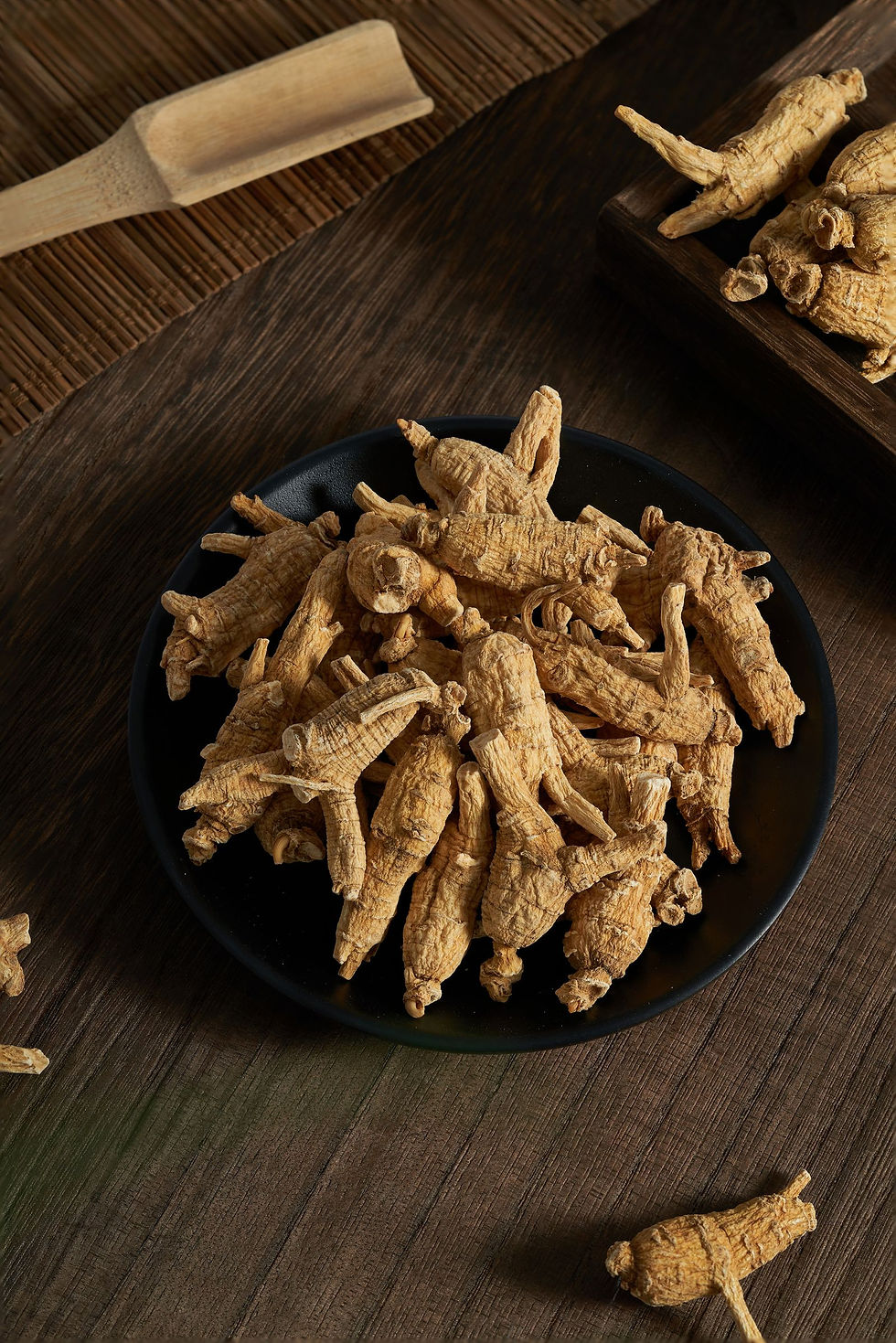
Herbify ingredient guide: Rhodiola Rosea Extract: Rosavins, Salidroside and Sourcing.
Specification priorities
Confirm Rhodiola rosea species and root/rhizome material; substitution risk is commercially significant.
Review rosavins and salidroside together and require method details, not a single generic assay.
Ask for geographical origin, cultivation or wild-harvest status and sustainability documentation.
Check adulteration, residual solvents, pesticides, heavy metals and undeclared carriers.
Formulation and format choices
In formulation, Rhodiola rosea root extract is typically brown, bitter and aromatic, with a distinctive root character. It is most often considered for capsules, tablets, active-lifestyle powders and stress-positioned concepts. The format should therefore be selected around the intended dose and consumer experience, rather than chosen first and forced to accommodate the ingredient later.
The familiar 3% rosavins plus 1% salidroside profile is a specification, not proof of identity by itself.
Bitterness and cost usually favour capsules over large beverage doses.
When supplying multiple markets, confirm whether the same extract and claims fit each jurisdiction.
Quality, evidence and supplier documentation
A strong supplier file connects every COA result to a specification, method and batch. Strong demand and constrained raw material create substitution pressure. Identity, sourcing and marker balance should be treated as one control system. Ask for representative commercial-batch data—not only a specially prepared sample—and confirm that changes to plant part, origin, process or test method require notification.
From sample to commercial batch
A laboratory sample of Rhodiola Rosea Extract should be treated as the beginning of qualification, not the end. Confirm that it represents a routine commercial batch and that future supply will use the same botanical source, plant or fungal part, extraction process, carrier system and analytical methods. Record colour, odour, taste, density and dispersion alongside the COA. If the material is reformulated, milled or blended for the project, use version control so the approved prototype can be traced to the purchase specification and later production lots.
Obtain at least two recent commercial-batch COAs and compare them with the approved specification.
Calculate cost per finished-product serving and per target-marker dose, not only cost per kilogram.
Test the full intended dose under the actual processing, packaging and storage conditions.
Confirm minimum order quantity, lead time, packaging format, retest period and continuity plan.
Questions to put to the supplier
Which species and plant or fungal part does every commercial batch use?
Which analytical method and reference standard support each advertised marker?
What percentage of the commercial powder is native extract versus carrier or other excipients?
Which origin, process or specification changes trigger advance customer notification?
Australian market and compliance
In Australia, the finished product—not the ingredient in isolation—determines the applicable pathway. Food businesses should check ingredient permissions and Standard 1.2.7 before making nutrition or health claims. Products presented for therapeutic use may fall under TGA requirements. Classification, claims, dose and intended population should be reviewed before launch.
Practical buyer checklist
Confirm the exact ingredient identity, plant or fungal part, processing method and intended end use.
Approve the specification and test methods before comparing commercial quotations.
Prototype at the intended use level in the real finished-product matrix.
Review claims, classification, warnings and target population before artwork or advertising is finalised.
Retain a reference sample and establish change-control expectations for ongoing supply.
Herbify supports Australian and New Zealand manufacturers with ingredient sourcing, specification comparison, samples and technical coordination. Discuss your ingredient brief with Herbify to identify a commercially realistic grade for your application.


Comments