
Lemon Balm Extract for Alcohol-Free Liquids and Powders
Lemon Balm may be supplied as a dry extract, tincture or other liquid preparation, and those formats are not interchangeable. For Australian and New Zealand product teams, define the Melissa officinalis material and finished formulation clearly enough to reproduce a sample at commercial scale. Alcohol-free positioning needs evidence about the actual ingredient composition.

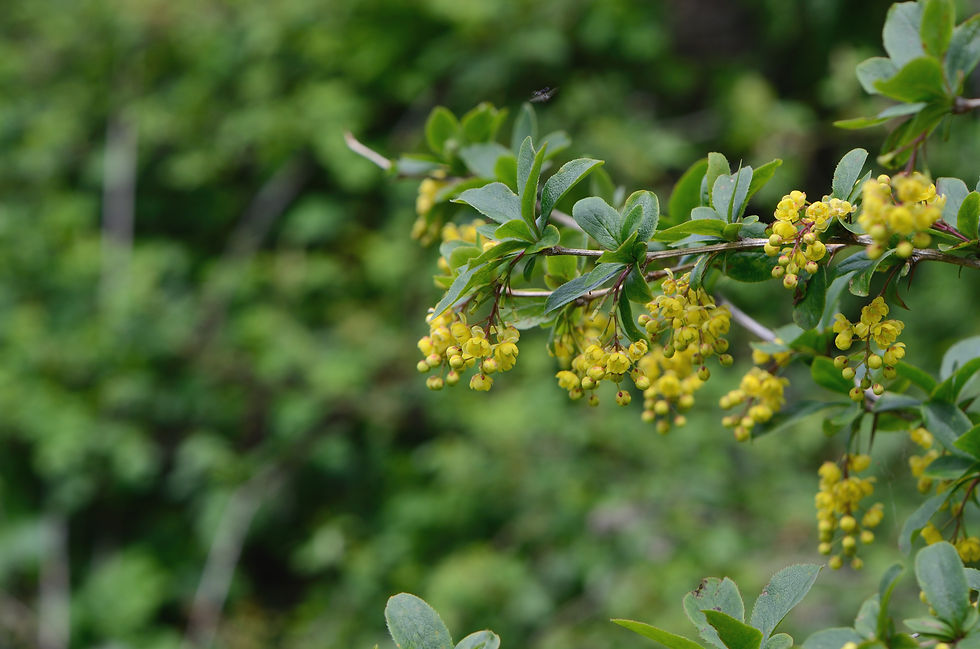
Melissa officinalis lemon balm leaves and flowers, botanical reference photograph. Photograph: Cbaile19 / Flora Pittsburghensis; CC0 1.0. Botanical reference only, not a batch or finished-product image.
Confirm the plant part before comparing grades
Specify Melissa officinalis L. and the plant part used. A leaf extract and a material made from leaf and stem should not silently share one buying description. Rainbow’s current product reference describes stem-and-leaf ratio extract; it is a manufacturer reference, not proof of every commercial batch’s composition.
Request the extraction solvent, native extract ratio or native extract content, added carrier and reporting basis. A ratio describes starting material relative to extract under a defined process. A flavonoid or rosmarinic-acid assay measures a defined analytical target. Neither specification converts into the other without supporting data.
Ask what alcohol-free means for the supplied ingredient
A dry extract is not automatically an alcohol-free liquid ingredient. Ask whether ethanol was used during manufacture, what residual-solvent limits apply and what the finished liquid contains. A glycerite also needs a complete composition: glycerol, water, preservatives and other constituents all matter to development and labelling.
Confirm the evidence needed for the intended alcohol-free statement in the destination market. Botanical identity does not establish organic certification either; use an organic description only when current certificate scope and batch documents support it.
Test colour, bitterness and sediment in the actual matrix
Raw Lemon Balm leaves and a concentrated extract may have very different sensory profiles. Evaluate the selected sample in the intended formulation rather than assuming a fresh-leaf aroma survives extraction, drying and processing. A brown powder may also affect a pale liquid or dry blend.
For aqueous concepts, record dispersion, visible sediment, pH, flavour and changes during storage. Test the actual mixing sequence and processing conditions. Assess preservation and microbiological stability in the complete liquid; an ingredient specification does not establish that the finished drink is stable or safely preserved.
Dry formats: assess flow, particle size, density and blend uniformity.
Liquid formats: assess wetting, sediment, pH and compatibility with other ingredients.
Processing: evaluate the intended heat treatment and packaging.
Shelf-life: compare the finished product with predefined sensory and analytical limits.
Do not infer product classification from an application idea
Capsules, evening-product concepts and liquids are development contexts, not evidence of a therapeutic benefit. Claims about sleep, anxiety or treatment need their own legal and evidence review. This guide does not establish a universal ingredient dose or finished-product claim.
For Australia, review the food–medicine boundary and exact grade before commercial use. For New Zealand, carry out a separate classification and import assessment; Australian permission or an Australian finished product does not automatically cover New Zealand. A topical project also needs its own grade and safety assessment.
Use one clear specification and enquiry brief
A representative COA should identify the batch, plant part, marker and method, plus quality tests relevant to the project. Record carriers, solvent information and the specification revision approved with the sample. Reassess a substitute if its composition or manufacturing process differs, even when it shares the name Lemon Balm.
Contact Herbify with the application, dry or liquid format, target marker and method, document requirements, sample or bulk quantity, and Australian or New Zealand destination to discuss relevant specifications and sample options.


Comments